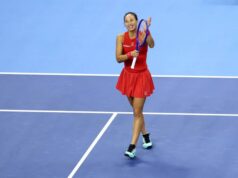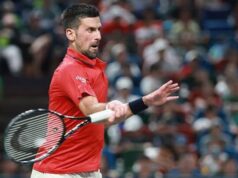






















The Wuhan Open was supposed to bring another week of elite women’s tennis, with the world’s best players battling for one of the biggest titles of the Asian swing. Instead, the tournament has become part of a bigger conversation about fatigue, injuries and whether the tennis calendar gives its stars enough time to recover.
Several high-profile names have withdrawn from the 2026 event, which runs from October 12 to 18. Coco Gauff, Naomi Osaka, Elena Rybakina, Zheng Qinwen, Mirra Andreeva and Linda Noskova are among the players who will not compete in Wuhan. But their reasons are not all the same: some need rest, others are dealing with injuries, and some have made scheduling decisions.
That distinction matters. A withdrawal does not automatically mean the tennis calendar is broken, and it would be unfair to suggest every player is suffering from the same problem. Yet when so many notable names disappear from one tournament during the final stretch of the season, the question becomes difficult to ignore.
Is the women’s tennis tour asking too much of its players, or has the sport reached a point where managing the calendar is just as important as winning matches?
For SportsLoud, the issue goes beyond who is missing in Wuhan. It is about the growing tension between a demanding professional schedule and the physical recovery required to compete at the highest level.
Wuhan Has Lost More Than a Few Big Names
The list of absences is significant because several players had genuine reasons to attract attention at this tournament.
Gauff, the defending champion, announced that she would miss Wuhan because her body needed time to rest and recover after a long season. The American had won the title in 2025 without dropping a set, making her absence especially noticeable.
Osaka also withdrew, with the tournament announcing her decision alongside Gauff’s. Meanwhile, Rybakina pulled out after developing further concerns with a foot problem. The Kazakh had recently reached the top of the world rankings and was coming off a surprising early exit in Beijing.
Zheng’s withdrawal was another disappointment for local fans. After winning the China Open in Beijing, she announced that a right shoulder injury and fatigue following a demanding run of competition would keep her out of Wuhan. Andreeva, who lost to Zheng in the Beijing final, cited a change in schedule, while Noskova withdrew because of a left calf injury.
These developments were reported by the WTA’s official tournament coverage, along with individual withdrawal announcements.
The important point is that these are different situations. An injury requires appropriate medical management. A player who feels exhausted may need recovery time before competing again. A scheduling decision can reflect priorities elsewhere in the season.
Still, the cumulative effect is obvious: fans lose the chance to see several leading players compete at an important event.
The Calendar Is Becoming Part of the Competition
Professional tennis is not simply a series of matches. Players travel between countries, adjust to different time zones, change surfaces and prepare for opponents who may demand completely different tactics.
The physical workload is only one part of the challenge. There is also the mental pressure of constantly preparing for the next match, handling expectations and dealing with the disappointment that comes with losing.
The Wuhan Open is the final WTA 1000 tournament of the season, and it arrives during a busy Asian swing. The season-ending WTA Finals are also approaching in November, giving qualified players another major target to prepare for.
That creates a difficult balancing act. Players want to compete in prestigious tournaments and collect ranking points, but they also need to arrive at the biggest events in good condition.
The calendar does not affect every player equally. A long run deep into a tournament can mean more matches for one athlete than another. Travel demands, previous injuries, playing style and individual recovery needs also influence how much competition a player can handle.
This is why the conversation should not be reduced to a simple claim that everyone is playing too much. The more useful question is whether the tour’s structure gives athletes enough flexibility to manage those differences without feeling they must sacrifice important opportunities.
When a player has to choose between another tournament and protecting their ability to compete later in the season, that choice becomes part of professional tennis strategy.
Coco Gauff’s Withdrawal Sends a Message
Gauff’s absence stands out because she was not just another entrant. She was the defending champion, and she had already demonstrated that Wuhan suited her game.
Her decision to step away also illustrates why players sometimes need to make difficult choices even when a tournament matters to them.
Gauff said she was disappointed to withdraw but needed time to rest and recover after a long year. That is a more specific explanation than simply saying she was not interested in competing.
The distinction matters for the wider debate. Fans naturally want to see the best players in the biggest tournaments. Tournament organisers invest in promoting those stars, and broadcasters want matches featuring familiar names. But those commercial interests do not eliminate the physical demands placed on the athletes.
There is also a longer-term consideration. A player who pushes through exhaustion may still compete, but the immediate appearance does not necessarily represent the best decision for their season.
That does not mean every withdrawal is automatically the right choice or that fans should never be disappointed. It means the sport has to acknowledge that player availability depends on more than a tournament’s importance.
Gauff’s decision is a reminder that even a defending champion may decide that recovery deserves priority.
Injuries Make the Debate More Complicated
Rybakina and Noskova highlight another side of the issue.
Rybakina withdrew because of a foot injury, while Noskova cited a left calf injury. Zheng also reported a shoulder injury alongside fatigue. These cases cannot simply be grouped together as proof that the calendar caused their problems.
Athletes can get injured for many reasons, and one withdrawal does not establish a direct connection between a tournament schedule and a particular injury.
However, the schedule is still relevant when players are trying to recover. Competing before an injury has sufficiently settled can create additional risks, and travelling between tournaments can limit the time available for rehabilitation and preparation.
The sensible approach is not to demand that injured players continue competing to protect the tournament’s reputation. It is to ask how the tour can support appropriate recovery while maintaining a competitive season.
That could mean reviewing how tournaments are distributed, examining player workload data and ensuring that athletes have practical options when they need time away.
Any major changes would have to account for the interests of players, tournaments, fans, sponsors and broadcasters. There is no single adjustment that would solve every problem.
But the repeated appearance of injury-related withdrawals should make workload management a serious part of the conversation.
The Other Side: A Demanding Tour Is Part of Elite Sport
There is a counterargument that deserves attention.
Professional tennis has always involved difficult travel, demanding matches and tough decisions about which events to enter. The sport offers substantial opportunities, but those opportunities come with a competitive calendar that players and their teams must navigate.
Not every absence signals a crisis. Some players may choose to prioritise other tournaments, manage their schedules differently or prepare for a specific target later in the year.
The Wuhan field also remains competitive despite the withdrawals. Aryna Sabalenka, a three-time Wuhan champion, is among the leading names in the draw, alongside other established players and rising talents. The tournament has not lost its sporting value simply because several stars are missing.
In fact, withdrawals can create opportunities for other players to make a breakthrough. A younger competitor may receive a more favourable draw, gain valuable experience or advance further than expected.
That is part of sport. The field changes, and the players who are available must still win their matches.
But the counterargument does not eliminate the underlying question. The fact that athletes have always faced demanding schedules does not mean the schedule should never be reviewed. Traditions can be valuable without being beyond improvement.
What Should the WTA Do Next?
The answer is unlikely to be cancelling tournaments or expecting every player to follow the same schedule.
A more practical starting point would be to evaluate the season using evidence: how many matches players compete in, how often they withdraw, how much travel is required, and whether certain stretches create unusually heavy workloads.
The tour could also continue examining how tournament dates fit together, especially when major events sit close to one another. Clear communication about scheduling expectations and player welfare would help fans understand why athletes sometimes choose rest over competition.
Any proposal would need to recognise that different players have different needs. A young athlete building ranking points may approach the calendar differently from an established champion preparing for the WTA Finals.
The goal should be to preserve meaningful competition while giving players a realistic chance to recover. That would benefit the athletes, but it could also help tournaments by improving the chances that leading players arrive healthy and ready to compete.
There is no guarantee that changes would eliminate withdrawals. Injuries and personal scheduling choices will always be part of professional sport. But a serious review could help distinguish unavoidable absences from problems that the structure of the tour might address.
SportsLoud Verdict: The Warning Signs Deserve Attention
The Wuhan withdrawals do not prove that the WTA calendar is responsible for every injury or every player’s decision to rest. Gauff cited the need for recovery, Rybakina and Noskova withdrew with injuries, Zheng reported a shoulder problem and fatigue, and Andreeva cited scheduling considerations.
Those details should remain central to the story.
Nevertheless, the number of notable absences during a key stretch of the season raises a legitimate question about workload and recovery. The tour needs competitive tournaments, and fans deserve exciting fields. Players, meanwhile, need to be able to protect their health and manage their seasons without every withdrawal becoming a controversy.
Our view: the WTA should continue reviewing the calendar and player workload, but it should do so using evidence rather than assuming every withdrawal has the same cause.
The challenge is finding a balance between a compelling season and a sustainable one. That means respecting player decisions while also looking honestly at whether the current structure creates unnecessary pressure.
Wuhan will still crown a champion. The bigger issue is whether the sport can learn from this week’s absences before the same debate returns at the next major tournament.
SportsLoud question: Do you think professional tennis players are being asked to compete too often, or should managing the schedule remain the responsibility of each player and their team? Share your opinion.