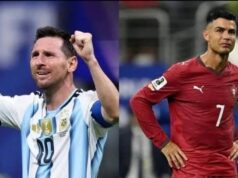

















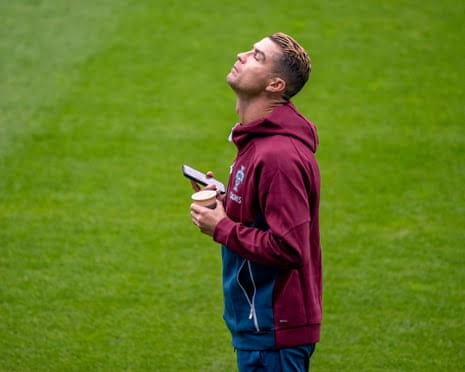
Cristiano Ronaldo walked out of Portugal’s training camp.
And almost immediately, the entire football world started asking the same question:
What happens to Portugal now?
The answer came much quicker than anyone expected.
Portugal didn’t collapse.
They didn’t cancel their plans.
They didn’t suddenly look lost without their legendary captain.
Instead, the team walked onto the pitch against Denmark, handed the captain’s armband to Bruno Fernandes, gave Ronaldo’s famous No. 7 shirt to Rafael Leão, and then produced a 4–2 victory.
That doesn’t mean Portugal is better without Ronaldo.
It doesn’t erase what Ronaldo has done.
And it certainly doesn’t mean his international career is over.
But it does show something important:
Portugal is capable of functioning without Cristiano Ronaldo.
And that may be the biggest development of all.
First Came the Shock: Ronaldo Was Gone
Ronaldo’s departure came after a tense few days surrounding his relationship with new Portugal manager Jorge Jesus.
Ronaldo had been an unused substitute during Portugal’s 2–1 victory over Norway.
Jesus later confirmed that Ronaldo would not start against Denmark.
Shortly after the coach’s press conference, Ronaldo announced that he had decided to leave the national-team camp after speaking with Portuguese Football Federation president Pedro Proença.
Ronaldo said he would eventually tell the Portuguese people the truth about why he left.
That statement only made the situation more mysterious.
Because Ronaldo didn’t announce retirement.
He didn’t say he was finished with Portugal.
He simply left.
And Portugal had to move on immediately.
Nobody Else Walked Out With Him
This is where some of the online speculation has gone too far.
There have been suggestions that Ronaldo’s departure triggered other players to leave Portugal.
There is currently no credible evidence of that.
The Portuguese Football Federation confirmed that Ronaldo left the camp and that the team would continue preparing for its upcoming matches with the remaining players. Reports put the remaining squad at 24 players.
And that became important.
Because it meant Portugal had a decision to make:
Do they allow the Ronaldo situation to consume the squad?
Or do they keep playing?
They chose the second option.
Bruno Fernandes Suddenly Became the Face of the Team
With Ronaldo gone, someone had to wear the captain’s armband.
That responsibility went to Bruno Fernandes.
And Fernandes has been very careful about how he has handled the situation.
Rather than attacking Ronaldo or taking sides, Fernandes has publicly defended his former captain.
He said Ronaldo remains the greatest symbol of Portugal’s national team and urged the country not to become divided over the controversy. Fernandes also said there were no divisions within the squad.
That’s important.
Because Fernandes could have easily allowed the situation to become:
Ronaldo vs. Jorge Jesus.
Instead, he has tried to keep the players away from the controversy.
That’s exactly what Portugal needs right now.
Then Something Strange Happened to Ronaldo’s No. 7
This is where the story became almost surreal.
For more than two decades, Portugal’s No. 7 has been associated with one person:
Cristiano Ronaldo.
CR7 isn’t simply Ronaldo’s shirt number.
It’s part of his identity.
So when Ronaldo left the squad, Portugal suddenly had to deal with something that seemed almost impossible:
Who wears No. 7 now?
The answer was Rafael Leão.
Leão normally wears No. 17 for Portugal, but UEFA competition rules required Portugal to assign the vacant number within the match squad. Leão moved into No. 7, while Fábio Silva took No. 17.
It was a practical decision.
But visually?
It was enormous.
For the first time in years, fans were looking at Portugal and seeing somebody else wearing Ronaldo’s number.
Rafael Leão Wasn’t Trying to Replace Ronaldo
This distinction matters.
Leão wearing No. 7 doesn’t mean Portugal has officially selected Ronaldo’s successor.
It doesn’t mean Ronaldo has retired.
And it doesn’t mean Leão has inherited Ronaldo’s legacy.
The number change was connected to the competition rules after Ronaldo left the squad.
But football isn’t always logical.
Fans see a number.
They see a player.
They remember everything that number represented.
And suddenly, RL7 was standing where CR7 used to be.
That’s a powerful image.
Then Portugal Went Out and Scored Four
Here’s the part that made the entire situation even more interesting.
Portugal didn’t simply survive Denmark.
They beat Denmark 4–2.
João Cancelo opened the scoring.
Gonçalo Ramos scored.
Vitinha added another.
And João Félix completed the comeback.
Portugal produced an energetic attacking performance despite Ronaldo being absent.
And suddenly, the question changed.
Instead of:
“Can Portugal survive without Ronaldo?”
People started asking:
“What does Portugal look like without Ronaldo?”
Those are two completely different questions.
Gonçalo Ramos Suddenly Has More Responsibility
One player who benefited from Ronaldo’s absence was Gonçalo Ramos.
The Paris Saint-Germain forward started against Denmark and scored.
That matters because Portugal has to eventually build an attack that doesn’t depend on Ronaldo.
Whether Ronaldo returns or not, Portugal needs a future.
Ramos is one of the players who could become part of that future.
But nobody should expect him to become the next Ronaldo.
That’s impossible.
The better question is whether Portugal can build a different attack around Ramos, Bruno Fernandes, Rafael Leão, João Félix, Vitinha and the other talented players available to Jesus.
The Denmark match suggested that possibility exists.
Bruno Fernandes and Ramos Could Be the New Connection
One of the most interesting aspects of the Denmark game was the relationship between Bruno Fernandes and Gonçalo Ramos.
Portugal looked more fluid going forward.
There was movement.
There was energy.
There was less of the feeling that every attack had to eventually find Ronaldo.
That doesn’t make Ronaldo the problem.
It simply means Portugal now has an opportunity to develop a different style.
And that’s something Jorge Jesus will have to consider.
But Don’t Make the Mistake of Saying Portugal Is Better Without Ronaldo
This is where the debate can go completely off the rails.
One 4–2 victory doesn’t prove Portugal is better without Ronaldo.
Ronaldo is still Portugal’s all-time leading scorer and most-capped men’s international player, with 146 goals and 234 appearances.
You don’t erase that history because the team wins one match without you.
And Portugal’s players know that.
Bruno Fernandes has been particularly clear that Ronaldo’s importance to Portugal remains enormous.
So the correct conclusion isn’t:
“Portugal doesn’t need Ronaldo.”
It’s:
“Portugal has shown it can compete without Ronaldo.”
That’s a much more reasonable conclusion.
The Biggest Change May Be Psychological
There is another fascinating angle.
For years, Portugal knew that when Ronaldo was available, he was going to be one of the central figures of the team.
Players knew it.
Opponents knew it.
Fans knew it.
Now that’s changed.
The younger players have to take more responsibility.
Bruno Fernandes becomes even more important.
Rafael Leão has more attention.
Gonçalo Ramos has more responsibility in front of goal.
Vitinha becomes more important in midfield.
João Félix has another opportunity to establish himself.
That’s how football generations change.
It doesn’t happen because somebody announces:
“A new era has begun.”
It happens because players are forced to take responsibility.
And Jorge Jesus Has a Massive Decision Ahead
The biggest question isn’t actually whether Ronaldo can return.
It’s whether Jorge Jesus and Ronaldo can work together again.
The two men already have history.
Jesus coached Ronaldo at Al-Nassr before taking the Portugal job.
Now their relationship has become the center of one of the biggest stories in international football.
Jesus has maintained that he was simply making football decisions and that the rules apply to everyone.
Ronaldo clearly saw the situation differently.
And Ronaldo has promised that he will eventually explain his reasons for leaving.
Until that happens, everybody is guessing.
What Happens to Portugal If Ronaldo Never Comes Back?
This is the scary question for Portuguese fans.
What if the Denmark match wasn’t just a temporary situation?
What if Ronaldo decides that his international career is finished?
What if the relationship with Jesus cannot be repaired?
Then Portugal has to move forward.
And suddenly Bruno Fernandes becomes one of the most important leaders in the dressing room.
Rafael Leão becomes one of the faces of the attack.
Gonçalo Ramos becomes one of the potential focal points up front.
And the next generation has to accept that the Ronaldo era is over.
That’s a massive responsibility.
But Ronaldo Hasn’t Officially Retired
This needs to be repeated.
Ronaldo has not announced his retirement from Portugal.
He left the current training camp.
That’s different.
His future remains uncertain.
Portugal has continued without him, but Fernandes and Jesus have both spoken respectfully about his importance.
So anyone saying Ronaldo is definitely finished with Portugal is getting ahead of the facts.
There is still a door open.
The question is whether Ronaldo wants to walk through it.
SportsLoud’s Take: Portugal Has Started Preparing for Life After Ronaldo — Whether It Realizes It or Not
This is where the story gets really interesting.
I don’t think Portugal deliberately planned a post-Ronaldo experiment.
But Ronaldo’s departure forced one.
And the early results were impressive.
Bruno Fernandes took the captaincy.
Rafael Leão wore No. 7.
Gonçalo Ramos started.
Portugal scored four goals.
And the squad publicly insisted there was no internal division.
That’s not the end of the Ronaldo story.
But it could be the beginning of Portugal’s next chapter.
And here’s the biggest thing:
Portugal doesn’t have to choose between respecting Ronaldo and building the future.
They can do both.
Ronaldo can remain the greatest symbol of Portuguese football.
At the same time, younger players can begin creating their own legacy.
That’s what eventually happens with every great generation.
Maradona eventually left Argentina.
Pelé eventually left Brazil.
Zidane eventually left France.
The team continues.
The shirt continues.
The country continues.
And eventually, another player becomes the face of the next era.
So Who Actually Left Portugal After Ronaldo?
As of now, the answer is surprisingly simple:
Cristiano Ronaldo.
There is no confirmed mass walkout by Portugal’s players.
The remaining squad stayed together.
Bruno Fernandes publicly rejected talk of divisions.
Portugal beat Denmark 4–2.
And the team is preparing for its next Nations League match against Norway.
But something else did leave with Ronaldo.
The old certainty.
For years, Portugal knew exactly who its biggest star was.
Exactly who wore No. 7.
Exactly who was expected to lead the attack.
Exactly who would dominate the headlines.
Now?
Everything is open.
And perhaps that’s the real story.
Ronaldo walked out of the Portugal camp.
But Portugal didn’t walk out of the Ronaldo era quietly.
It is still trying to figure out whether that era is actually over.
And if Ronaldo doesn’t return, the players who remained will have to answer the biggest question of all: