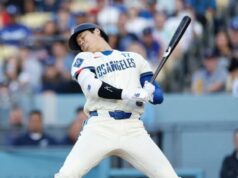

















The Los Angeles Dodgers entered the 2026 postseason looking like a team built to dominate October. They had the superstar names, the enormous financial commitment and the championship expectations that come with spending aggressively to assemble a winning roster.
Then Milwaukee happened.
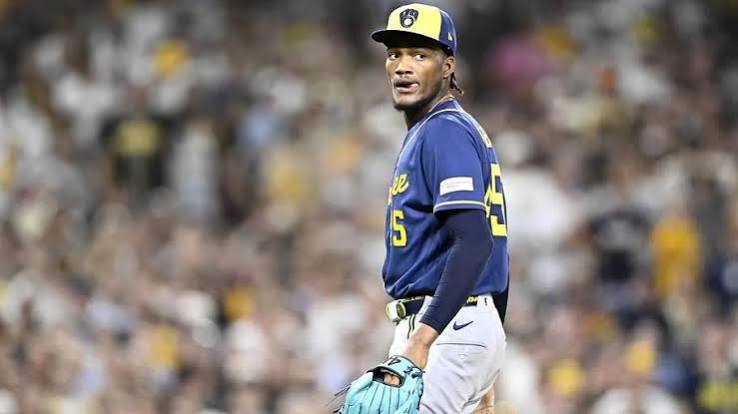
The Brewers swept Los Angeles in the National League Championship Series, ending the Dodgers’ attempt to reach a third consecutive World Series. Milwaukee is heading to the Fall Classic for the first time since 1982, while the Dodgers are left wondering how a team with so much talent could be made to look so ordinary when the stakes were highest.
This was not simply an upset. It was a warning to every team that believes collecting the biggest names is enough to guarantee postseason success.
Milwaukee did not have to match Los Angeles dollar for dollar. It had to execute better, stay composed longer and make the Dodgers uncomfortable. That is exactly what happened.
And the most uncomfortable question for Los Angeles is whether this defeat exposed a problem that money alone cannot fix.
Milwaukee Didn’t Need a Superstar to Take Over the Series
The Brewers’ victory was a reminder that baseball’s biggest moments do not always belong to its most recognizable players.
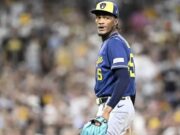
Jake Bauers became the unlikely hero of the NLCS, earning series MVP honors after delivering six RBIs. Garrett Mitchell also came through with a go-ahead home run in Game 4, helping Milwaukee complete the sweep.
Those performances mattered because the Dodgers had the kind of lineup that could make opponents feel they needed a perfect game just to survive.
Milwaukee refused to play that way.
Instead of waiting for one superstar to carry the entire offense, the Brewers kept finding contributions from different places. Their hitters made difficult at-bats count. Their pitching staff protected leads. Their players responded when the Dodgers threatened to turn the series around.
That is the kind of balance Los Angeles was supposed to possess.
The Dodgers have invested heavily in elite talent, but Milwaukee demonstrated something more important in October: a roster does not need the most famous names to produce the most effective baseball.
The Dodgers Had the Stars. Milwaukee Had the Answers.
There is a temptation to reduce this series to a simple argument that spending big is bad and spending less is good.
That would miss the point.
The Dodgers’ financial commitment is not automatically a mistake. Investing in elite players gives a team a better opportunity to compete, and Los Angeles has already demonstrated that its expensive approach can produce championships.
The real problem is that the Dodgers appeared to have no reliable answer when Milwaukee began controlling the series.
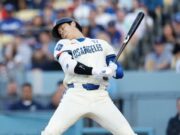
Shohei Ohtani, Mookie Betts and Freddie Freeman are players who can change a game with one swing. But the Brewers did not allow Los Angeles to consistently turn its individual talent into the kind of collective pressure that wins playoff series.
Milwaukee’s advantage was not that every player was better than his Dodgers counterpart. It was that the Brewers repeatedly found ways to make their strengths matter.
That distinction is important.
A roster full of superstars can still struggle when the opposing team forces it into uncomfortable situations. When the big names fail to deliver, the supporting cast must step forward. When the offense stalls, the pitching staff has to keep the game within reach.
The Brewers did those things better.
A 4–0 Lead Should Have Been the Dodgers’ Escape Route
Game 4 provided the clearest example of the difference between the two teams.
Los Angeles jumped ahead 4–0, putting itself in position to extend the series and create another opportunity to fight back.
Instead, Milwaukee rallied.
The Brewers chipped away at the deficit, with Bauers delivering a crucial two-run double and a bases-loaded walk that helped bring the game level. Mitchell’s go-ahead homer later gave Milwaukee the lead it needed to finish the job.
That comeback was more than a dramatic finish. It exposed the Dodgers’ inability to shut the door when they had an opportunity.
A championship-caliber team should be able to protect a four-run advantage in a game that could save its season. Milwaukee deserves credit for refusing to surrender, but Los Angeles also has to answer for allowing the comeback to happen.
The Brewers showed resilience. The Dodgers showed vulnerability.
That is the difference between a team celebrating a World Series appearance and one packing its bags.
Milwaukee’s Secret Weapon Was Making Baseball Uncomfortable
The Brewers’ approach also deserves attention beyond their dramatic comeback.
Milwaukee has built its success around disciplined at-bats, patience and the ability to put pressure on opposing pitchers. Rather than relying exclusively on home runs, the team has emphasized reaching base, extending at-bats and forcing opponents to work.
That approach can be frustrating for a pitching staff loaded with talent.
Every additional pitch matters. Every baserunner creates another problem. Every inning that stretches longer than expected can put pressure on a bullpen and force a manager to make difficult decisions.
The Brewers did not need to win every matchup with a spectacular hit. They needed to keep the pressure moving.
Los Angeles, meanwhile, had to find a way to stop that pressure before it became a rally. The Dodgers could not consistently do it.
Milwaukee’s victory should remind baseball that offensive success is not always about hitting the most home runs. Sometimes the team that refuses to give away at-bats, takes advantage of mistakes and keeps the game moving in its favor is the one that survives.
Ohtani and the Dodgers Have a Difficult Conversation Ahead
Ohtani remains one of the most dangerous players in baseball. His presence alone changes how opposing teams approach a lineup.
But postseason expectations are unforgiving.
The Dodgers did not assemble this roster simply to compete. They wanted another championship, and they had the talent to make that goal realistic.
That is why the sweep hurts.
Los Angeles cannot blame everything on one player, one missed opportunity or one bad inning. A four-game series is long enough for a team to demonstrate its strengths, and Milwaukee consistently found ways to exploit the Dodgers’ weaknesses.
The offseason questions will be uncomfortable.
Can Los Angeles rely on the same offensive approach when opposing teams have a plan for its biggest stars? Does the pitching staff need more dependable depth? And how can the Dodgers make their supporting players more influential when the postseason gets tight?
Those are not questions that can be answered by simply spending more money.
The Brewers Have Made Baseball’s Biggest Teams Pay Attention
Milwaukee’s victory should not be mistaken for proof that big payrolls are useless.
The Brewers still needed talent, preparation and execution. Their success was not an accident, and their financial limitations did not prevent them from building a roster capable of winning 103 games and dominating the NLCS.
The lesson is more complicated—and more interesting.
The Dodgers showed that money can help assemble a championship contender. The Brewers showed that a contender still has to play championship baseball.
Milwaukee now has a chance to turn this remarkable postseason run into something even bigger. The World Series will bring a different challenge, and the Brewers will have to prove they can maintain their discipline against another elite opponent.
Los Angeles, meanwhile, will spend the offseason trying to understand why a team with so many stars could not find an answer to Milwaukee.
SportsLoud’s take: The Dodgers should not abandon their superstar strategy. But they need to stop treating their roster’s individual talent as a guarantee of postseason success. Milwaukee did not beat Los Angeles by being richer. It beat the Dodgers by being better when the games mattered most.
And that is the kind of lesson no payroll can buy.